

The Rising Popularity of Cannabis Tinctures and Oils
As the legal cannabis market continues to grow, many consumers are turning to smoke-free cannabis options like cannabis tinctures and cannabis oils for a more convenient and discreet experience. These liquid products make it easy to consume cannabinoids such as THC and CBD without the need to smoke or vape. This appeals to people who prefer a cleaner and more flexible way to enjoy cannabis.
Typically packaged with easy-to-use dropper bottles, tinctures and oils also allow consumers to measure precise doses, making them ideal for those seeking predictable effects, microdosing options, or incorporating cannabis into a wellness routine. As interest in alternative cannabis consumption methods continues to rise, these products have become popular choices for consumers looking for both control and convenience.
What Are Cannabis Tinctures?
Cannabis tinctures are liquid cannabis extracts traditionally made by soaking cannabis plant material in high-proof alcohol to extract cannabinoids such as THC and CBD. This alcohol-based extraction method has been used for centuries and remains a reliable way to produce potent, shelf-stable cannabis concentrates.
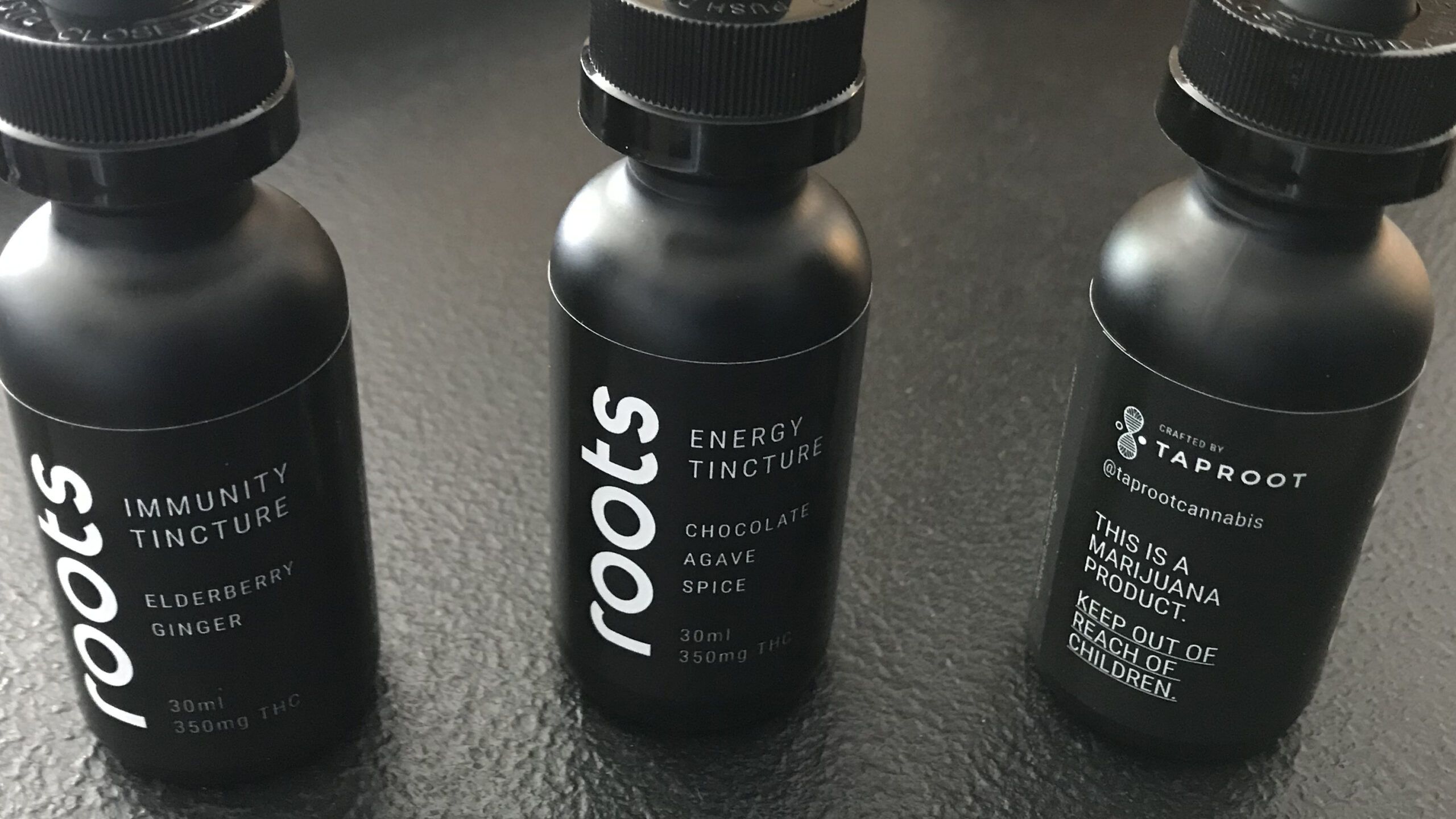
Tinctures are typically sold in small glass bottles with droppers, which allow consumers to measure and administer doses easily. They are most commonly taken through sublingual administration, where a few drops are placed under the tongue for faster absorption into the bloodstream. Because of this method, cannabis tinctures are often considered a convenient smoke-free option that can produce effects faster than many traditional edibles while also providing consistent dosing and a long shelf life due to the alcohol base (Hazekamp & Grotenhermen, 2010; National Academies of Sciences, Engineering, and Medicine, 2017).
Learn More: What Are Cannabinoids and Why Are They Important?
What Are Cannabis Oils?
Cannabis oils are concentrated liquid products created by extracting cannabinoids from the cannabis plant and infusing them into a carrier oil such as MCT oil, coconut oil, or hemp seed oil. Unlike alcohol-based tinctures, cannabis oils rely on these carrier oils to dissolve and deliver cannabinoids like CBD and THC.
Consumers commonly encounter several varieties, including CBD oil, THC oil, and full-spectrum cannabis oil, which may contain additional compounds such as terpenes and minor cannabinoids. These compounds may contribute to what researchers refer to as the entourage effect, a concept suggesting that cannabis compounds may work together to influence overall effects (Russo, 2011).
Cannabis oils are versatile and can be taken sublingually, added to food or beverages, or consumed through capsules and infused products. Because the fat-based carrier oils can help support cannabinoid absorption, these products are often used by consumers interested in wellness-focused cannabis use and controlled dosing (National Academies of Sciences, Engineering, and Medicine, 2017).
Key Differences Between Tinctures and Oils
Although cannabis tinctures and cannabis oils share similarities, there are several important differences that can influence how consumers choose between them.
Extraction Method
- Cannabis tinctures: Typically made using alcohol extraction to pull cannabinoids like THC and CBD from the cannabis plant.
- Cannabis oils: Produced by infusing cannabis extracts into carrier oils such as MCT oil, coconut oil, or hemp seed oil.
Taste and Texture
- Tinctures: Often have a stronger herbal or slightly bitter taste because of the alcohol base.
- Oils: Usually have a milder flavor and smoother texture due to the oil carrier.
How They Are Used
- Tinctures: Commonly taken using sublingual administration by placing drops under the tongue.
- Oils: Can also be taken sublingually but are often mixed into foods, beverages, or capsules.
Shelf Life
- Tinctures: Alcohol acts as a natural preservative, which often gives tinctures a longer shelf life.
- Oils: Carrier oils may have a shorter shelf life and should be stored properly to maintain potency (Hazekamp & Grotenhermen, 2010; National Academies of Sciences, Engineering, and Medicine, 2017).
How Tinctures and Oils Affect the Body
When using cannabis tinctures or cannabis oils, the effects largely depend on how the product is consumed. When taken through sublingual administration, cannabinoids like THC and CBD can be absorbed through small blood vessels under the tongue and enter the bloodstream relatively quickly.
This method may produce noticeable effects within 15 to 45 minutes. When tinctures or oils are swallowed and processed through digestion, effects may take 30 to 90 minutes to begin. The intensity and duration of effects can vary based on factors such as dosage, cannabinoid potency, individual metabolism, and personal tolerance. For this reason, many consumers start with a low dose and gradually increase as needed (National Academies of Sciences, Engineering, and Medicine, 2017; Pertwee, 2008).
Benefits and Considerations for Consumers
Cannabis tinctures and cannabis oils offer several advantages as smoke-free cannabis products, including precise dosing, discreet consumption, and flexible use. Because they are typically administered with droppers, consumers can easily control serving sizes and practice microdosing THC or CBD compared to some traditional cannabis edibles.
However, consumers should also be aware of potential considerations such as product potency, delayed onset when swallowed, and possible interactions with certain medications. Choosing lab-tested cannabis products with verified cannabinoid content can help improve safety and consistency (National Academies of Sciences, Engineering, and Medicine, 2017; U.S. Food and Drug Administration, 2020).
How Consumers Can Choose Quality Tinctures and Oils
When choosing cannabis tinctures and cannabis oils, consumers should focus on product quality, transparency, and safety. One of the most important factors to look for is third-party lab testing, typically available through a Certificate of Analysis (COA). These reports confirm cannabinoid levels and screen for contaminants such as pesticides, heavy metals, and residual solvents.
Consumers should also review product labels for THC and CBD potency and check ingredient lists for carrier oils and additives. Selecting products from licensed and reputable cannabis brands that clearly disclose sourcing and testing practices can help ensure a safer and more reliable cannabis experience (U.S. Food and Drug Administration, 2020; National Academies of Sciences, Engineering, and Medicine, 2017).
References
- National Academies of Sciences, Engineering, and Medicine. (2017). The Health Effects of Cannabis and Cannabinoids. https://nap.nationalacademies.org/catalog/24625/the-health-effects-of-cannabis-and-cannabinoids
- World Health Organization – Cannabidiol (CBD) Critical Review. https://www.who.int/publications/i/item/WHO-MSD-2018.2
- Hazekamp, A., & Grotenhermen, F. (2010). Review on clinical studies with cannabis and cannabinoids. Cannabinoids Journal. https://www.cannabis-med.org/data/pdf/2007-01-04-8.pdf
- Russo, E. B. (2011). Taming THC: Potential cannabis synergy and phytocannabinoid-terpenoid entourage effects. British Journal of Pharmacology. https://bpspubs.onlinelibrary.wiley.com/doi/full/10.1111/j.1476-5381.2011.01238.x
- Pertwee, R. G. (2008). The diverse CB1 and CB2 receptor pharmacology of cannabinoids. British Journal of Pharmacology. https://bpspubs.onlinelibrary.wiley.com/doi/full/10.1038/bjp.2008.206
- U.S. Food and Drug Administration. (2020). What You Need to Know About Products Containing Cannabis or CBD. https://www.fda.gov/consumers/consumer-updates/what-you-need-know-and-what-were-working-find-out-about-products-containing-cannabis-or-cannabis-derived-compounds-including-cbd